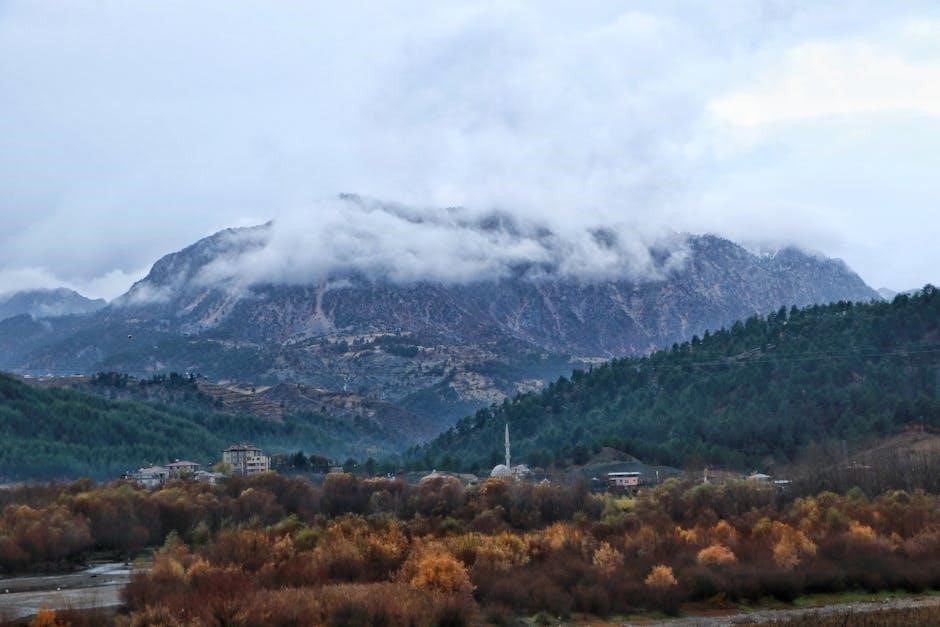
Guide Valley: A Comprehensive Exploration
Guide Valley, nestled within Arkhangai province, boasts a rich tapestry of archaeological wonders, spanning Mongolia’s history, including Khar Balgas, Khannui, and Gol Mod․
Guide Valley, a captivating region within Mongolia’s Arkhangai province, presents a unique blend of historical significance, stunning landscapes, and vibrant cultural heritage․ This valley isn’t merely a geographical location; it’s a journey through time, offering glimpses into ancient civilizations and nomadic traditions․ The area is particularly renowned for its concentration of archaeological sites, acting as a crucial window into Mongolia’s past․
Among these sites, Khar Balgas, Khannui, and Gol Mod stand out as testaments to bygone eras, each holding unique stories and artifacts․ Beyond its historical importance, Guide Valley’s natural beauty, characterized by rolling hills and meandering rivers, adds to its allure․ It’s a destination that promises both intellectual stimulation and serene natural experiences, attracting researchers, history enthusiasts, and adventurous travelers alike․ Exploring Guide Valley is truly an immersive experience․
Historical Significance of Guide Valley
Guide Valley’s historical importance stems from its role as a crossroads of civilizations and a repository of Mongolia’s rich past․ The valley served as a vital area for nomadic empires and settlements throughout centuries, leaving behind a remarkable archaeological record․ The presence of sites like Khar Balgas, once a flourishing capital, underscores the valley’s prominence during the Uyghur Empire in the 8th and 9th centuries․
Furthermore, settlements such as Khannui and Gol Mod reveal layers of history, showcasing the continuity of human presence and cultural evolution within the region․ These sites provide invaluable insights into the political, economic, and social structures of past societies․ Guide Valley isn’t simply a place with history; it is history, offering tangible connections to Mongolia’s imperial and nomadic heritage, making it a crucial area for archaeological research․
Geographical Features and Landscape
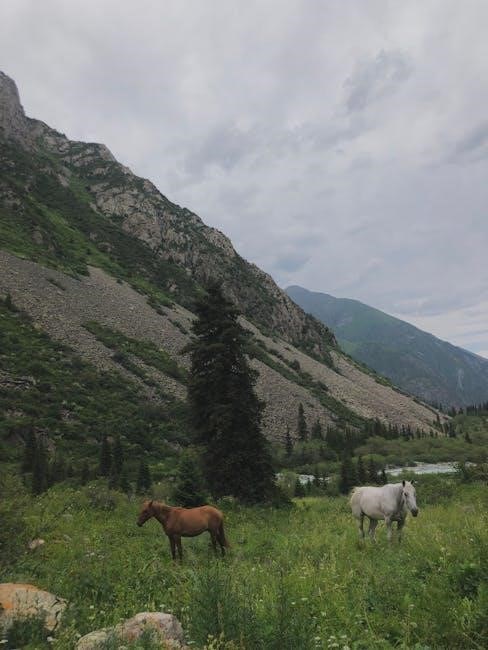
Guide Valley is characterized by a diverse and captivating landscape, typical of Mongolia’s central regions․ Rolling hills, expansive steppes, and meandering river systems define the terrain, creating a visually stunning environment․ The valley’s elevation contributes to a temperate climate, supporting a variety of ecosystems․ The topography is sculpted by ancient volcanic activity and glacial processes, resulting in unique geological formations․
The valley’s openness provides panoramic views, while pockets of dense vegetation offer shelter and habitat for wildlife․ This varied geography has historically influenced settlement patterns and nomadic lifestyles․ The landscape isn’t merely scenic; it’s integral to the valley’s ecological balance and cultural identity, shaping both the environment and the lives of those who inhabit it․
The River System of Guide Valley
Guide Valley’s hydrological network is crucial to its ecosystem and the livelihoods of local communities․ Numerous rivers and streams crisscross the valley floor, originating from the surrounding mountains․ These waterways are fed by snowmelt and seasonal rainfall, creating a dynamic flow regime․ The rivers aren’t just sources of water; they’ve historically served as vital transportation routes and irrigation channels․
The river system supports diverse aquatic life and riparian vegetation, contributing to the valley’s biodiversity․ Water quality is generally good, though susceptible to fluctuations based on seasonal changes and human activity․ Understanding the river system’s complexities is essential for sustainable water management and preserving the valley’s ecological integrity, ensuring its continued benefit for future generations․
Flora and Fauna of Guide Valley
Guide Valley exhibits a remarkable biodiversity, showcasing a fascinating array of plant and animal life adapted to its unique environment․ The valley’s flora is characterized by vast grasslands, interspersed with forests of larch, birch, and pine, particularly on the slopes․ Wildflowers bloom profusely during the warmer months, adding vibrant color to the landscape․
Fauna includes diverse species like Mongolian gazelle, marmots, and various bird species, including raptors․ Larger mammals, such as brown bears and wolves, also inhabit the more remote areas․ The valley serves as an important habitat and migration corridor for many species․ Conservation efforts are crucial to protect this rich biodiversity from threats like habitat loss and poaching, ensuring the long-term health of the ecosystem․
Archaeological Sites in Guide Valley
Guide Valley is renowned for its exceptional concentration of archaeological sites, offering invaluable insights into Mongolia’s rich history and past civilizations․ These sites span various periods, from ancient settlements to remnants of the Mongol Empire, making the valley a crucial area for archaeological research․
Among the most significant discoveries are Khar Balgas, the ancient capital, Khannui, and Gol Mod, historical settlements that reveal details about past lifestyles, governance, and cultural practices․ Excavations have unearthed artifacts like pottery, tools, and remnants of structures, providing tangible evidence of past inhabitants․ Continued archaeological work promises to unveil even more about the valley’s fascinating past, contributing to a deeper understanding of Mongolian history․
Khar Balgas: Ancient Capital
Khar Balgas, meaning “Black City,” stands as a testament to a pivotal period in Mongolian history, serving as the capital city during the Uyghur Empire in the 8th and 9th centuries․ Located within Guide Valley, the site showcases remnants of a once-grand urban center, including fortress walls, palace foundations, and religious structures․
Archaeological investigations at Khar Balgas have revealed a sophisticated urban layout, demonstrating advanced planning and engineering skills․ The city’s strategic location facilitated trade and control over the surrounding region․ Discoveries of artifacts, such as pottery, metalwork, and Buddhist sculptures, offer glimpses into the cultural and religious life of its inhabitants․ Today, Khar Balgas remains a significant archaeological site, attracting researchers and visitors alike, eager to explore its historical significance․
Khannui and Gol Mod: Historical Settlements
Alongside Khar Balgas, Khannui and Gol Mod represent crucial historical settlements within Guide Valley, each offering unique insights into Mongolia’s past․ Khannui, believed to be associated with the early Mongol Empire, reveals evidence of nomadic lifestyles and early state formation․ Archaeological findings suggest a thriving community engaged in pastoralism and trade․
Gol Mod, another significant site, showcases remnants of a later settlement, potentially linked to the 13th and 14th centuries․ Excavations have uncovered structures indicating a more settled existence, alongside artifacts reflecting cultural exchange and craftsmanship; These settlements, collectively, paint a vivid picture of evolving societal structures and adaptations within Guide Valley over centuries․ Their preservation is vital for understanding Mongolia’s rich heritage and the interconnectedness of its historical landscapes․
Cultural Heritage and Local Traditions
Guide Valley’s cultural heritage is deeply rooted in nomadic traditions, preserved through generations of storytelling, music, and craftsmanship․ Local communities maintain a strong connection to their ancestral practices, evident in their horsemanship skills, traditional clothing, and unique artistic expressions․ The valley’s history, interwoven with the rise and fall of empires like the Mongol Empire – evidenced by sites like Khar Balgas, Khannui, and Gol Mod – continues to shape contemporary cultural identity․
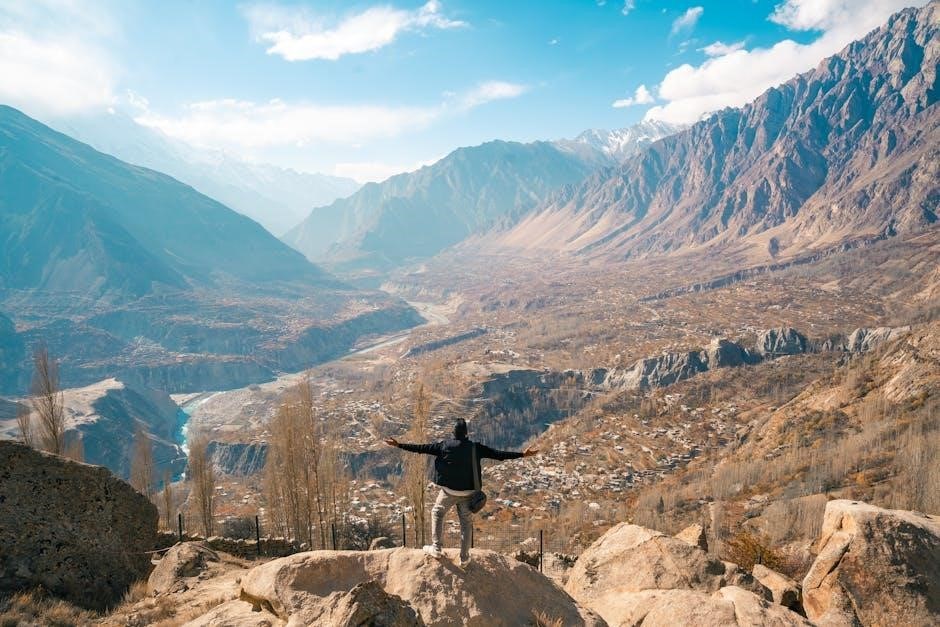
Festivals and ceremonies play a vital role in celebrating this heritage, often featuring traditional games, dances, and displays of horsemanship․ Hospitality is paramount, with visitors welcomed warmly into local homes to experience authentic Mongolian life․ Preserving these traditions is crucial, ensuring the cultural richness of Guide Valley endures for future generations, fostering a sense of belonging and continuity․
Tourism in Guide Valley
Guide Valley is steadily emerging as a captivating tourism destination, attracting visitors with its pristine landscapes and rich historical significance․ The valley’s appeal lies in its accessibility to remarkable archaeological sites like Khar Balgas, Khannui, and Gol Mod, offering a glimpse into Mongolia’s past․ Increasingly, travelers seek authentic cultural experiences, and Guide Valley delivers through interactions with local nomadic communities and participation in traditional activities․
While infrastructure is developing, tourism focuses on sustainable practices, minimizing environmental impact and supporting local economies․ Opportunities for adventure tourism, including hiking and wildlife viewing, are expanding․ The growing interest necessitates responsible tourism development, balancing preservation of the valley’s unique character with the needs of visitors and residents alike, ensuring a rewarding experience for all․
Popular Tourist Destinations
Guide Valley’s primary draw lies in its exceptional archaeological sites․ Khar Balgas, the ancient capital, stands as a majestic ruin, offering a tangible connection to Mongolia’s imperial past․ Visitors explore the remnants of temples, palaces, and fortifications, imagining life in this once-thriving city․ Khannui and Gol Mod, historical settlements, provide further insights into the region’s cultural evolution, showcasing different periods and societal structures․
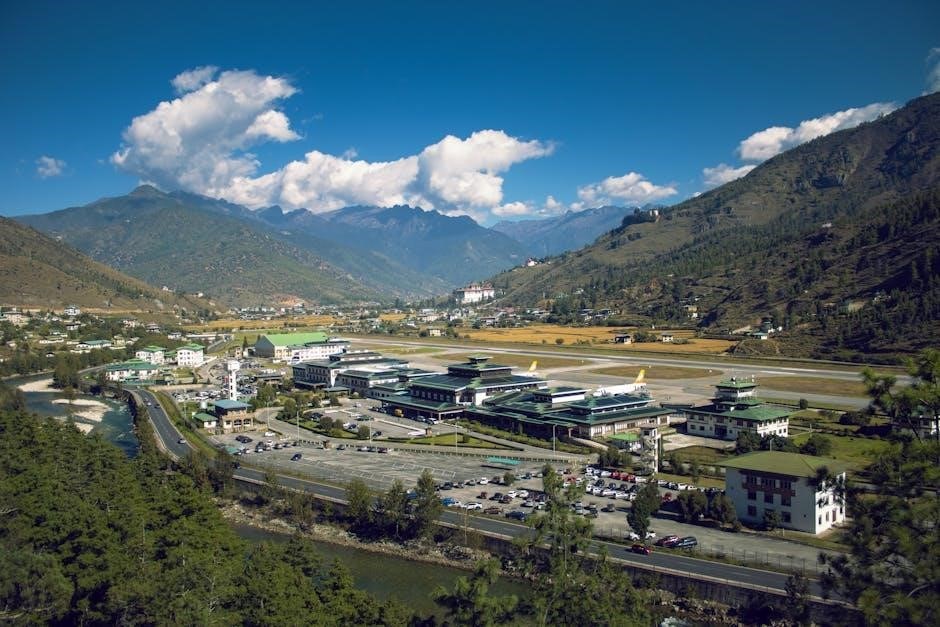
Beyond the historical sites, the valley’s natural beauty attracts nature enthusiasts․ Rolling hills, expansive grasslands, and the meandering river system create picturesque landscapes ideal for hiking and photography․ Local nomadic families often welcome visitors, offering a chance to experience traditional Mongolian life firsthand, including demonstrations of horsemanship and insights into their pastoral traditions․ These immersive experiences are increasingly popular․
Accommodation Options
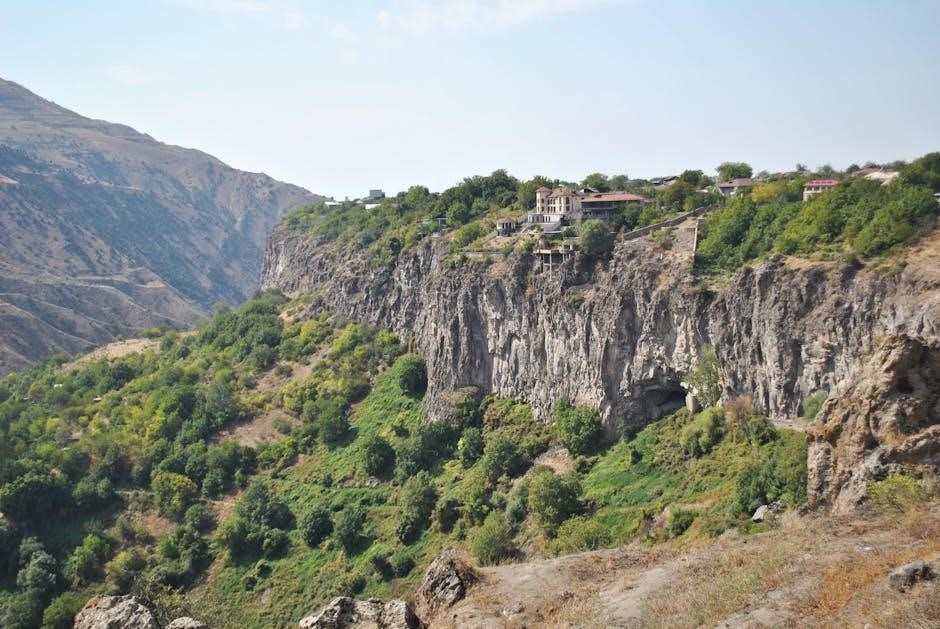
Guide Valley currently offers a range of accommodation choices, primarily catering to adventurous travelers and those seeking authentic experiences․ Traditional ger camps are the most prevalent option, providing comfortable and culturally immersive stays․ These camps typically feature furnished gers (yurts) equipped with beds, heating stoves, and basic amenities․ Many offer shared bathroom facilities and communal dining areas․
For visitors desiring more conventional lodging, a limited number of small guesthouses and family-run hotels are available in nearby settlements․ These establishments generally provide private rooms with attached bathrooms and may offer additional services like laundry and meals․ Camping is also a viable option for independent travelers, allowing for greater flexibility and proximity to nature․ However, it’s crucial to be self-sufficient and respect the environment․ Expect basic facilities and limited infrastructure․
Transportation and Accessibility
Guide Valley’s remote location presents transportation challenges, requiring careful planning․ The primary access point is via Ulaanbaatar, Mongolia’s capital city․ Travelers typically reach the valley by domestic flight to Moron, the capital of Khuvsgul province, followed by a several-hour drive․ Alternatively, a direct, albeit lengthy, overland journey from Ulaanbaatar is possible, utilizing a combination of public buses and private vehicle hire․
Within the valley itself, transportation relies heavily on 4×4 vehicles due to the rugged terrain and unpaved roads․ Hiring a driver with a suitable vehicle is highly recommended for exploring the region effectively․ Local horse riding is also a popular and authentic way to navigate shorter distances․ Public transport within the valley is limited, making independent travel without a vehicle difficult․
Outdoor Activities in Guide Valley
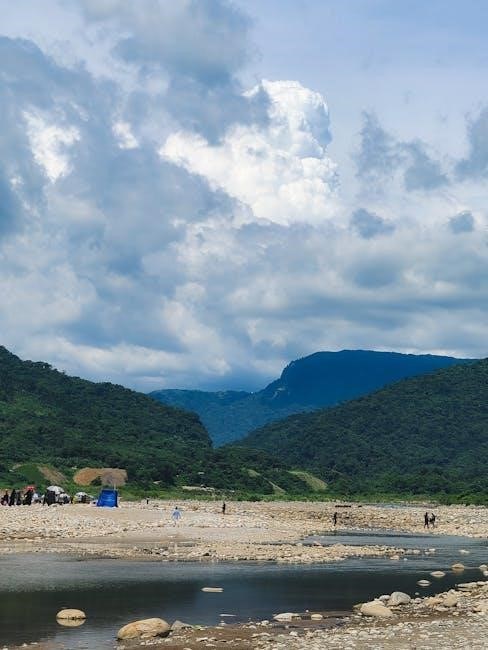
Guide Valley offers a wealth of outdoor adventures, captivating nature enthusiasts and thrill-seekers alike․ Hiking and trekking trails abound, ranging from gentle strolls through picturesque landscapes to challenging ascents offering panoramic views․ Exploring the valley on horseback provides an immersive experience, connecting visitors with the nomadic traditions of the region․
Wildlife viewing opportunities are plentiful, with the chance to spot diverse bird species, marmots, and potentially larger mammals like deer and argali sheep․ The pristine rivers and lakes invite fly fishing, while the expansive terrain is ideal for off-road cycling․ Cultural immersion through visits to local nomadic families and participation in traditional activities further enriches the outdoor experience․ Remember to respect the environment and local customs during your adventures․
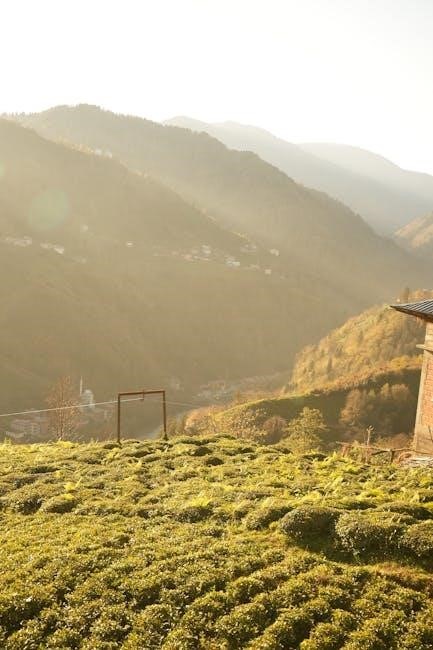
Hiking and Trekking Trails
Guide Valley presents a diverse network of hiking and trekking trails, catering to all fitness levels and preferences․ Gentle paths meander through rolling hills and alongside crystal-clear rivers, perfect for leisurely walks and family outings․ More challenging trails ascend into the surrounding mountains, rewarding hikers with breathtaking vistas of the valley’s expansive landscape․
Experienced trekkers can embark on multi-day expeditions, exploring remote areas and immersing themselves in the region’s untouched wilderness․ Local guides are readily available to enhance the experience, providing insights into the local flora, fauna, and cultural heritage․ Remember to pack appropriate gear, including sturdy hiking boots, layers of clothing, and plenty of water, to ensure a safe and enjoyable trek through this stunning region of Mongolia․
Wildlife Viewing Opportunities
Guide Valley is a haven for wildlife enthusiasts, offering exceptional wildlife viewing opportunities․ The valley’s diverse ecosystems support a rich array of animal species, including the elusive snow leopard, graceful argali sheep, and nimble Siberian ibex inhabiting the higher elevations․ Birdwatchers will delight in spotting various raptors soaring overhead, alongside colorful songbirds flitting through the valleys․
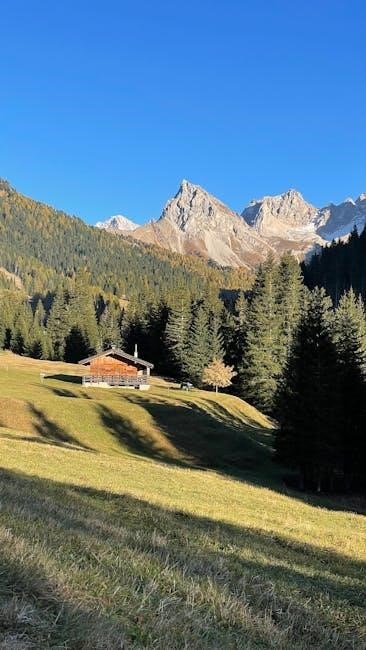
Smaller mammals, such as marmots and pikas, are commonly seen scurrying amongst the rocks and grasslands․ Guided tours led by local experts significantly increase your chances of spotting these incredible creatures in their natural habitat․ Remember to maintain a respectful distance from wildlife and avoid disturbing their environment, ensuring the preservation of this pristine ecosystem for future generations to enjoy․
Safety Considerations for Visitors
Guide Valley, while remarkably beautiful, requires visitors to prioritize safety during their explorations․ The remote nature of the region means limited access to immediate medical assistance; therefore, a comprehensive first-aid kit is essential․ Weather conditions can change rapidly, shifting from warm sunshine to sudden storms, so pack layers and be prepared for all possibilities․
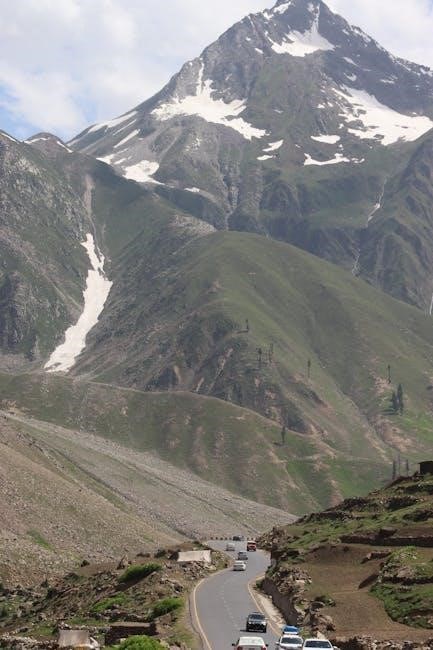
Hiking trails can be challenging, demanding appropriate footwear and a good level of fitness․ Always inform someone of your planned route and expected return time․ Respect local customs and traditions, and be mindful of wildlife – maintaining a safe distance is crucial․ Finally, be aware of potential hazards like river crossings and unstable terrain, and consider hiring a local guide for enhanced safety and navigation․
Local Cuisine and Dining Experiences
Guide Valley offers a unique glimpse into traditional Mongolian culinary practices․ Dining experiences are often centered around locally sourced ingredients, reflecting the region’s pastoral lifestyle․ Expect hearty, meat-based dishes, particularly mutton and beef, prepared in various ways – from boiled and roasted to incorporated into flavorful stews․
Dairy products also play a significant role, with offerings like airag (fermented mare’s milk), aaruul (dried curd), and various milk teas․ While formal restaurants are limited, guesthouses and local families frequently provide meals, offering an authentic taste of Mongolian hospitality․ Be prepared for simple, rustic settings and embrace the opportunity to savor the genuine flavors of the valley․ Trying buuz (steamed dumplings) is a must!
Economic Activities in Guide Valley
Guide Valley’s economy is fundamentally rooted in traditional pastoralism, with livestock herding – primarily sheep, goats, horses, and cattle – forming the backbone of local livelihoods․ Families rely on their animals for meat, milk, wool, and transportation, maintaining a nomadic or semi-nomadic lifestyle․
Increasingly, tourism is emerging as a significant economic driver, providing opportunities for local communities through guesthouse operations, guiding services, and the sale of handicrafts․ Archaeological tourism, specifically related to sites like Khar Balgas, contributes to this growth․ Small-scale agriculture supplements income, though the harsh climate limits its potential․ Efforts are underway to promote sustainable economic development, balancing traditional practices with modern opportunities․
Future Development and Conservation Efforts
Guide Valley faces the challenge of balancing economic development with the preservation of its unique cultural and natural heritage․ Future development plans prioritize sustainable tourism, aiming to minimize environmental impact and maximize benefits for local communities․ Conservation efforts focus on protecting the fragile ecosystems and significant archaeological sites, including Khar Balgas, Khannui, and Gol Mod․
Initiatives include promoting responsible waste management, supporting local crafts, and investing in infrastructure that respects the valley’s character․ Collaboration between government agencies, NGOs, and local communities is crucial for successful implementation․ Long-term sustainability depends on fostering environmental awareness and ensuring that tourism contributes to, rather than detracts from, the valley’s enduring appeal․
Guide Valley: A Sustainable Tourism Destination
Guide Valley is increasingly recognized as a promising destination for sustainable tourism, offering a blend of cultural immersion and natural beauty․ The region’s commitment to preserving its archaeological treasures – notably Khar Balgas, Khannui, and Gol Mod – alongside its pristine landscapes, is central to this vision․
Efforts are underway to develop eco-friendly accommodations and promote locally-owned businesses, ensuring that tourism revenue directly benefits the communities within the valley․ Responsible travel practices, such as minimizing waste and respecting local traditions, are actively encouraged․ By prioritizing conservation and community involvement, Guide Valley aims to provide an authentic and enriching experience for visitors while safeguarding its unique heritage for future generations․