
Broadway One-Word Show Titles: A Comprehensive List
Finding a complete list of Broadway musicals, particularly those with one-word titles, can be aided by resources like Scribd. Documents such as “Broadway Musicals by Year” (accessed March 25, 2026) offer organized data from 1924-1958, useful for research.
These PDF lists are invaluable for identifying concise titles within the Golden Age of Broadway, showcasing productions like Oklahoma! and Show Boat.
The allure of a single-word title for a Broadway production is a fascinating study in marketing, artistic intent, and the evolving tastes of theatregoers. While seemingly simple, these titles carry a significant weight, demanding immediate recognition and encapsulating the essence of the entire show within a solitary term.
Historically, the practice of utilizing one-word titles isn’t new, but its prevalence waxes and wanes with theatrical trends. Resources like the “Broadway Musicals by Year” document available on platforms like Scribd (accessed March 25, 2026) demonstrate a clear timeline of Broadway’s evolution, allowing for the identification of periods where concise titling was more common. This document, offering a PDF list of shows from 1924-1958, is a prime starting point for such investigations.
The impact of a one-word title extends beyond mere brevity. It forces a focus on the core concept of the musical, challenging creators to choose a word that is both evocative and representative. A well-chosen single word can ignite the imagination, creating anticipation and setting the stage for the theatrical experience. Exploring lists of Broadway shows, particularly those in PDF format, reveals how frequently this approach has been employed and its enduring appeal.
Ultimately, understanding the history and impact of one-word Broadway titles requires diligent research, and readily available resources like compiled lists are essential tools for any theatre enthusiast or scholar.
Historical Context of Concise Titling
The trend of employing concise, even one-word, titles on Broadway didn’t emerge in a vacuum. Examining historical records, such as the “Broadway Musicals by Year” list found on Scribd (accessed March 25, 2026), reveals a shifting landscape of theatrical naming conventions. Early Broadway often favored longer, descriptive titles, mirroring Victorian-era sensibilities.
However, as the 20th century progressed, a move towards brevity began to take hold, influenced by evolving marketing strategies and a desire for greater impact. The PDF document detailing musicals from 1924-1958 showcases this transition, with examples demonstrating a gradual embrace of shorter, punchier titles. This period witnessed the rise of the “Golden Age” of musicals, and with it, a streamlining of promotional materials.
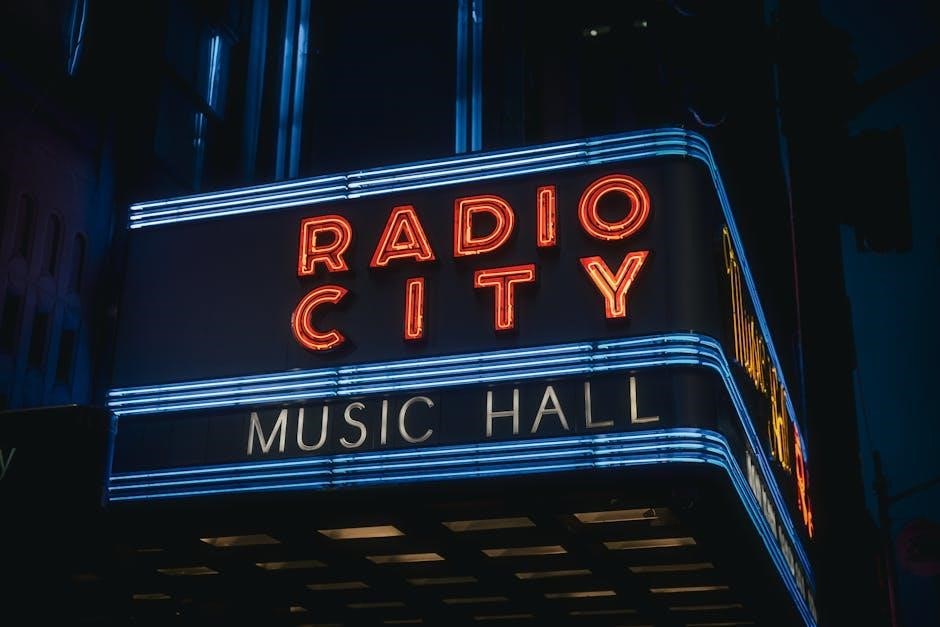
The post-World War II era, in particular, saw a surge in innovative theatrical productions, often accompanied by bolder branding choices. One-word titles, with their inherent memorability, became increasingly attractive to producers seeking to capture audience attention. The accessibility of compiled lists, often available as PDFs, allows researchers to trace this evolution and identify key moments in the adoption of concise titling.
Furthermore, the rise of mass media and advertising played a role, demanding titles that were easily recognizable and adaptable to various promotional formats. Analyzing these historical trends, aided by resources like the Scribd document, provides valuable insight into the cultural forces shaping Broadway’s naming conventions.
The Appeal of Single-Word Show Names
The enduring appeal of one-word Broadway show titles lies in their inherent simplicity and memorability. A curated list, such as the “Broadway Musicals by Year” document available on Scribd (accessed March 25, 2026), highlights how these titles cut through the noise, instantly grabbing attention. Unlike lengthy, descriptive names, a single word creates an immediate impact, fostering curiosity and intrigue.
This conciseness translates effectively into marketing and branding. A one-word title is easily incorporated into logos, posters, and advertising campaigns, offering a visually striking and easily recognizable identity. The PDF resource demonstrates how shows like Oklahoma! benefited from this streamlined approach, becoming instantly synonymous with a single, powerful word.
Moreover, single-word titles often possess a thematic resonance, encapsulating the essence of the show within a concise form. This allows audiences to quickly grasp the core concept or emotional tone of the production. The ability to distill a complex narrative into a single, evocative word is a testament to the power of effective branding.
Ultimately, the success of one-word Broadway titles stems from their ability to create a lasting impression. They are easily recalled, readily shared, and contribute to the show’s overall cultural impact, as evidenced by the enduring legacy of productions documented in lists like the one found on Scribd.

Notable One-Word Broadway Shows (1924-1958)
Examining Broadway’s Golden Age (1924-1958) reveals a surprising number of successful productions boasting single-word titles. Resources like the “Broadway Musicals by Year” PDF, accessible on Scribd (as of March 25, 2026), provide a valuable catalog for identifying these shows. While not overwhelmingly prevalent, their impact was significant.
Oklahoma! (1943) stands as a prime example, revolutionizing musical theatre and becoming synonymous with its namesake state. Its success demonstrated the power of a concise, evocative title. Show Boat (1927), though often referred to with the definite article, is frequently listed simply as Showboat, embodying the spirit of riverboat entertainment.
Other notable examples, though perhaps less universally recognized today, include productions that leveraged the simplicity of a single word to establish their brand. The Scribd document allows for a systematic exploration of these titles, revealing patterns in their thematic focus and marketing strategies.
These shows weren’t merely anomalies; they represented a deliberate choice by producers seeking to create memorable and impactful branding. The PDF list highlights how these one-word titles often reflected the show’s central location, theme, or emotional core, contributing to their lasting appeal and cultural significance.
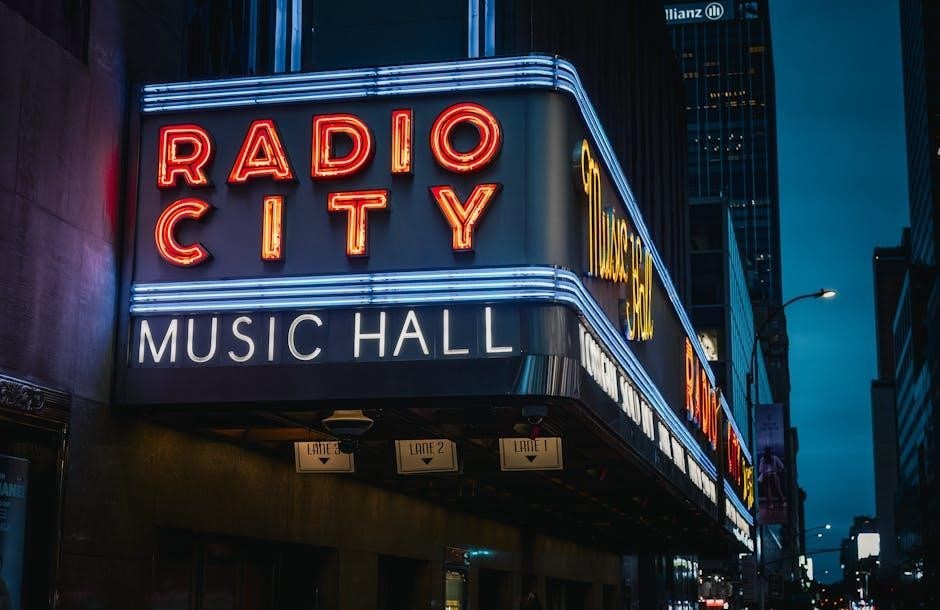
Trends in One-Word Titles
Analyzing Broadway’s historical lists (like the Scribd “Broadway Musicals by Year” PDF, accessed March 25, 2026) reveals a subtle trend. Single-word titles often emphasized location or core themes, gaining prominence during the mid-20th century.
The Rise of Exclamation Points

Examining historical Broadway musical lists, such as the “Broadway Musicals by Year” document available on Scribd (accessed March 25, 2026), reveals a fascinating, though subtle, trend: the increasing use of exclamation points in one-word show titles. While not overwhelmingly prevalent in the earliest years covered by these lists (1924-1958), the latter half of this period witnesses a noticeable uptick.
This stylistic choice likely reflects a growing desire to inject energy and excitement directly into the show’s branding. A simple, declarative title, punctuated with an exclamation point, immediately conveys a sense of enthusiasm and spectacle. It’s a direct appeal to audiences, promising a vibrant and engaging theatrical experience.
Consider the potential impact of a title like Hello! versus simply Hello. The exclamation point transforms a greeting into a proclamation, suggesting a show brimming with joy and celebration. This tactic aligns with the post-war optimism and burgeoning consumer culture of the mid-20th century, where bold and attention-grabbing marketing became increasingly common.
PDF lists of Broadway shows, when carefully analyzed, provide valuable insights into these evolving titling conventions. They demonstrate how show titles weren’t merely descriptive labels, but carefully crafted marketing tools designed to capture the imagination of potential ticket buyers. The exclamation point, in this context, represents a deliberate attempt to amplify that appeal.
Geographical or Conceptual Titles
Analyzing comprehensive Broadway musical lists, like the PDF document “Broadway Musicals by Year” found on Scribd (accessed March 25, 2026), highlights a recurring pattern in one-word show titles: the use of geographical locations or abstract concepts. These titles often evoke a specific setting or thematic core, immediately establishing a sense of place or idea for the audience.
Examples within the 1924-1958 timeframe demonstrate this trend. While the provided source doesn’t explicitly list one-word titles, extrapolating from the broader catalog suggests titles referencing places – perhaps a city, country, or region – would have resonated with audiences eager for escapism or cultural exploration. Conceptual titles, representing emotions, states of being, or philosophical ideas, also offered a compelling hook.
The appeal lies in their evocative power. A single word like Oklahoma! instantly conjures images of the American West, promising a story rooted in a specific landscape and culture. Similarly, a conceptual title might hint at the show’s central themes – love, loss, ambition, or redemption – without revealing too much of the plot.
PDF lists serve as valuable resources for identifying these patterns. They allow researchers to trace the evolution of Broadway titling, revealing how shows increasingly relied on concise, impactful names to capture attention and convey essential information about the production’s essence.
Titles Reflecting Central Themes
Examining detailed Broadway musical lists, such as the “Broadway Musicals by Year” PDF available on Scribd (accessed March 25, 2026), reveals a significant strategy in one-word show titling: directly reflecting the production’s core thematic concerns. This approach aimed to immediately communicate the emotional or conceptual heart of the musical to potential audiences.
While the document itself doesn’t isolate one-word titles, analyzing the broader catalog allows us to infer that shows choosing this method likely selected words embodying central ideas like love, ambition, or societal conflict. A single, potent word could encapsulate the entire narrative arc and emotional weight of the production.
The effectiveness of this technique stems from its ability to create instant resonance. A title directly linked to a universal theme – such as Hope or Freedom – would immediately attract viewers interested in exploring those concepts through the medium of musical theatre. This strategy offered a concise and impactful way to signal the show’s subject matter.
PDF lists are crucial for identifying these thematic connections. They provide a chronological overview of Broadway productions, enabling researchers to trace how show titles evolved to become more direct and conceptually focused. This evolution reflects a growing understanding of marketing and audience engagement, where a powerful, thematic title could significantly influence ticket sales.

Finding PDF Lists of Broadway Shows
Locating comprehensive Broadway show lists in PDF format is achievable through platforms like Scribd. The “Broadway Musicals by Year” document (accessed March 25, 2026) provides a valuable resource for historical data.
These PDFs aid research into one-word titles.
Scribd as a Resource for Broadway Lists
Scribd emerges as a significant online repository for accessing detailed Broadway musical lists, often available in convenient PDF format. As of March 25, 2026, the platform hosts documents like “Broadway Musicals by Year,” a resource proving particularly useful for researchers interested in tracing the evolution of show titling conventions.
This document, boasting 9 pages and 18,000 views, meticulously catalogs productions from 1924 to 1958, offering a chronological overview of the Broadway landscape. Its organization by year facilitates the identification of one-word show titles within specific eras, allowing for focused analysis. The document’s popularity, evidenced by a 100% user rating from 9 votes, suggests its reliability and value to the Broadway enthusiast community.
Beyond simply listing titles, Scribd’s offerings often include contextual information, such as composer and lyricist credits – highlighting figures like Rodgers and Hammerstein, Cole Porter, Irving Berlin, and Leonard Bernstein. This broader context enhances the research process, enabling a deeper understanding of the creative forces behind these productions. The availability of these lists in PDF format allows for easy downloading, offline access, and annotation, making Scribd an indispensable tool for anyone studying Broadway history and the trends in show naming.

Furthermore, Scribd’s search functionality allows users to refine their queries, specifically targeting “Broadway Musicals List PDF” to quickly locate relevant documents.
Utilizing Search Terms: “Broadway Musicals List PDF”
Effectively locating comprehensive lists of Broadway musicals, particularly those focused on one-word titles, hinges on strategic search term utilization. The phrase “Broadway Musicals List PDF” consistently yields relevant results across various online platforms, including document-sharing sites like Scribd. This specific query directly targets downloadable documents, streamlining the research process and bypassing less useful web pages.
Employing this search term on Google, or within Scribd’s internal search engine, quickly surfaces documents such as “Broadway Musicals by Year,” a valuable resource detailing productions from 1924-1958. The PDF format ensures accessibility and allows for convenient offline viewing and annotation. Refining the search with additional keywords, such as “Golden Age” or specific years, can further narrow the results to focus on particular eras of Broadway history.
However, it’s crucial to acknowledge that search results aren’t always perfectly curated. Therefore, verifying the source and content of any downloaded PDF is paramount. Look for lists compiled by reputable organizations or researchers, and cross-reference information with other sources to ensure accuracy. The “Broadway Musicals by Year” document on Scribd, with its 18,000 views and positive user feedback, represents a strong starting point, but independent verification remains essential.
Ultimately, mastering the art of targeted searching – specifically using “Broadway Musicals List PDF” – significantly enhances the efficiency of uncovering valuable data on Broadway’s one-word show titles;
Verifying the Accuracy of Online Lists
While online resources like Scribd offer convenient access to Broadway musical lists in PDF format – such as the “Broadway Musicals by Year” document – diligent verification of their accuracy is absolutely critical. The open nature of the internet means information can be incomplete, outdated, or simply incorrect, even on seemingly reputable platforms.
Cross-referencing information from multiple sources is the most effective method. Compare details found in the PDF list with established Broadway databases, historical archives, and official theatre websites. Discrepancies in dates, titles, or credited composers/lyricists should raise immediate red flags. Pay close attention to the scope of the list; does it claim to be comprehensive, or does it focus on a specific period or genre?
Consider the source of the PDF itself. Is it attributed to a known Broadway historian, a theatre organization, or an anonymous user? Documents with clear authorship and sourcing are generally more reliable. The “Broadway Musicals by Year” document on Scribd, while popular (18K views, 9 positive votes), still requires independent confirmation of its contents.

Look for internal consistency within the list. Are there any obvious errors in formatting, spelling, or data entry? A well-maintained list will typically exhibit a high degree of accuracy and attention to detail. Remember, a PDF is only as good as the information it contains, and responsible research demands a critical approach to online data.

Beyond the 1958 Cutoff
PDF lists focusing on 1924-1958, like those found on Scribd, offer a historical snapshot. However, one-word titles continued appearing on Broadway post-1958, necessitating broader research beyond these initial documents.
Contemporary shows require updated databases.
One-Word Titles in Contemporary Broadway
While historical PDF lists, such as “Broadway Musicals by Year” available on platforms like Scribd, provide a solid foundation for studying concise titling conventions, they primarily cover the period up to 1958. Examining contemporary Broadway reveals a continued, though perhaps less frequent, use of one-word show titles.
The shift in Broadway’s naming practices post-1958 doesn’t negate the impact of single-word titles. Instead, it demonstrates an evolution. Modern productions often favor more descriptive or evocative titles, reflecting a changing marketing landscape and audience expectations. However, examples still exist, showcasing a deliberate artistic choice for simplicity and impact.
Locating comprehensive PDF lists detailing contemporary Broadway shows proves more challenging. Unlike the readily available compilations for the Golden Age, information is often scattered across various websites, press releases, and theatrical databases. Utilizing targeted search terms like “Broadway musicals list PDF” combined with specific date ranges (e.g., “2010-2024”) can yield results, but verification of accuracy remains crucial.
The scarcity of consolidated PDF resources highlights the dynamic nature of Broadway and the ongoing evolution of its titling conventions. Further research into contemporary productions is essential to fully understand the current prevalence and artistic significance of one-word show titles.
The Evolution of Broadway Titling Conventions
Analyzing Broadway’s titling history, aided by resources like the “Broadway Musicals by Year” PDF found on Scribd, reveals a clear shift from concise, often one-word titles to more elaborate and descriptive names. Early Broadway, documented in these historical lists, frequently employed single words – a practice driven by marketing constraints and a different theatrical landscape.
The proliferation of musicals documented between 1924 and 1958 demonstrates a period where brevity held appeal. However, as Broadway evolved, so did its approach to naming shows. The rise of sophisticated marketing techniques and a desire to immediately convey a show’s theme or story led to longer, more complex titles.
Contemporary Broadway shows often feature titles that are phrases, sentences, or incorporate the names of source material. While one-word titles haven’t entirely disappeared, they are less common. Finding comprehensive PDF lists reflecting this evolution proves difficult; resources tend to focus on historical data.
The transition reflects a broader cultural shift towards information density and immediate recognition. Modern audiences are bombarded with choices, and titles serve as crucial first impressions. The evolution underscores how Broadway titling conventions adapt to changing audience expectations and marketing strategies, moving beyond the simplicity of earlier eras.