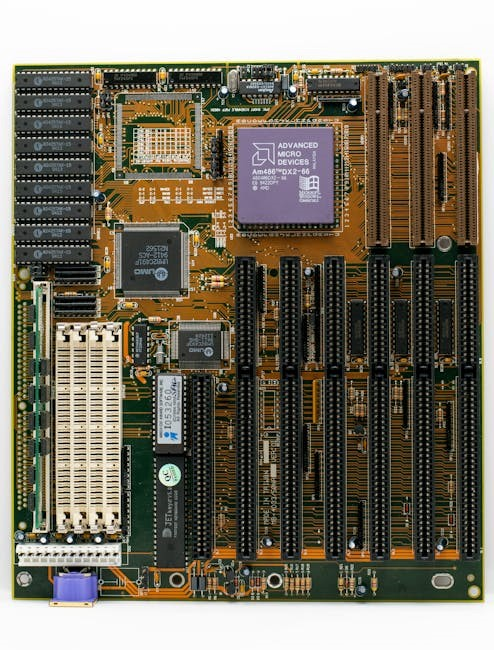
IPC-A-610 PDF: A Comprehensive Overview (as of 05/04/2026)
IPC-A-610 is the definitive guide for electronic assembly acceptability, widely utilized across the industry.
This standard meticulously details requirements for component placement, soldering, cleaning, and coating processes.
Accessing the official IPC-A-610 PDF provides detailed insights into quality control and engineering applications.
IPC-A-610 stands as the cornerstone for maintaining high standards in the production of electronic assemblies. As of today, May 4th, 2026, it remains the most prevalent and trusted standard globally, ensuring consistent quality and reliability. This document isn’t merely a set of rules; it’s a comprehensive framework encompassing every stage of the assembly process, from initial component placement to the final inspection of soldered joints, cleaning procedures, and protective coatings.
Understanding IPC-A-610 is crucial for electronics engineers, quality control personnel, and anyone involved in the manufacturing of printed circuit boards (PCBs). The standard provides detailed acceptability criteria, helping to minimize defects and enhance product performance. It’s a vital resource for establishing robust quality control processes and facilitating effective communication between manufacturers and their clients. The readily available IPC-A-610 PDF format allows for easy access and implementation of these critical guidelines.
Furthermore, the standard’s continuous evolution, reflected in updates and revisions, ensures it remains aligned with the latest technological advancements and industry best practices.
What is IPC-A-610?
IPC-A-610 is fundamentally a detailed set of acceptance criteria for electronic assemblies. The IPC-A-610 PDF document meticulously defines what constitutes an acceptable or unacceptable condition for various aspects of PCB assembly. This includes, but isn’t limited to, component placement accuracy, solder joint quality (covering defects like insufficient wetting, bridging, and pinholes), cleanliness after soldering, and the integrity of conformal coatings.
It’s more than just a checklist; it’s a tiered system allowing for different levels of acceptability based on the intended application and product lifecycle. These “Acceptability Classes” (I, II, and III) dictate the stringency of the criteria. Class I is for general electronic products, Class II for dedicated service electronic equipment, and Class III for high-performance/continuous operation equipment.
The standard serves as a common language for manufacturers, inspectors, and customers, minimizing ambiguity and ensuring consistent quality. Access to the current IPC-A-610 PDF is essential for anyone involved in the electronic manufacturing process, providing a definitive guide to best practices and industry standards.

The Importance of the IPC-A-610 Standard
The IPC-A-610 standard, accessible as a PDF, is critically important for maintaining consistent quality and reliability in electronic assemblies. It minimizes defects, reduces rework, and ultimately lowers production costs. Utilizing this standard fosters trust between manufacturers and customers, ensuring products meet defined specifications.
Adherence to IPC-A-610 facilitates effective communication throughout the supply chain. Inspectors, engineers, and procurement teams all operate from the same baseline, reducing misunderstandings and disputes. The standard also supports robust quality control processes, enabling early detection of potential issues.
Furthermore, IPC-A-610 is often a contractual requirement, particularly in industries with stringent safety or performance demands. Companies seeking certification (like ISO 9001) frequently demonstrate compliance with IPC-A-610 as evidence of their commitment to quality. Regular updates to the IPC-A-610 PDF reflect evolving technologies and best practices, ensuring its continued relevance.

Understanding the Scope of IPC-A-610
The IPC-A-610 PDF comprehensively covers electronic assembly acceptability, detailing guidelines for component placement, soldering, cleaning, and coating—essential for quality control.
Electronic Assembly Acceptability
IPC-A-610 establishes a common and consistent level of quality for electronic assemblies, serving as the most widely adopted standard globally. The IPC-A-610 PDF meticulously defines acceptable criteria, encompassing everything from component mounting to intricate soldering details, and protective coatings. It’s crucial for ensuring reliability and performance in electronic products.
This standard isn’t merely a checklist; it’s a framework for evaluating the quality of workmanship. It addresses potential defects, categorizing them based on severity and impact on functionality. The IPC-A-610 document provides detailed visual aids and clear acceptance criteria, enabling consistent inspection and assessment. Different acceptability classes (I, II, and III) are defined, allowing manufacturers to tailor the standard to the specific requirements of their applications – from consumer electronics to critical aerospace systems.
Ultimately, adherence to IPC-A-610 minimizes failures, reduces rework, and enhances customer satisfaction. The PDF version offers a readily accessible resource for engineers, inspectors, and technicians involved in the electronic manufacturing process, promoting best practices and industry-wide consistency.
Component Placement Guidelines
The IPC-A-610 PDF dedicates significant attention to component placement, recognizing its critical impact on assembly quality and reliability. Guidelines cover aspects like component orientation, alignment, and spacing, ensuring proper functionality and manufacturability. Precise placement minimizes potential shorts, opens, and interference issues.
IPC-A-610 specifies acceptable tolerances for component positioning, considering factors like lead overhang, component-to-board clearance, and alignment with fiducial markers. These guidelines are essential for automated assembly processes, ensuring accurate pick-and-place operations. The standard also addresses the placement of various component types, including surface mount devices (SMDs) and through-hole components, with specific requirements for each.
Furthermore, the PDF document details acceptable variations based on the chosen acceptability class (I, II, or III). Proper component placement, as defined by IPC-A-610, contributes to improved solder joint formation, reduced stress on components, and enhanced long-term reliability of the electronic assembly.
Soldering Standards within IPC-A-610
IPC-A-610 establishes comprehensive soldering standards, forming a cornerstone of electronic assembly acceptability. The PDF document meticulously details acceptable criteria for solder joint formation, covering aspects like wetting, fillet size, and voiding. These standards aim to ensure reliable electrical connections and prevent premature failures.
The standard addresses various soldering methods, including wave soldering, reflow soldering, and hand soldering, providing specific guidelines for each process. IPC-A-610 defines acceptable defects, categorizing them based on severity and impact on functionality. Visual inspection criteria are clearly outlined, enabling consistent and objective assessment of solder joint quality.
Acceptability levels are also tied to the chosen class (I, II, or III), with stricter requirements for higher-reliability applications; The IPC-A-610 PDF includes detailed illustrations and examples to aid in understanding and applying the soldering standards, ultimately promoting consistent and high-quality soldering processes.
Cleaning and Coating Requirements
The IPC-A-610 PDF dedicates significant attention to cleaning and coating requirements, crucial for long-term reliability of electronic assemblies. Post-soldering cleaning processes are addressed, outlining acceptable residue levels and methods for removing flux and other contaminants. Proper cleaning prevents corrosion and ensures optimal performance.
Coating applications, including conformal coatings, are also thoroughly covered. The standard specifies requirements for coating coverage, thickness, and adhesion, protecting assemblies from environmental factors like moisture and dust. IPC-A-610 details acceptable defects in coatings, such as bubbles, cracks, and insufficient coverage.
The document provides guidance on selecting appropriate cleaning agents and coating materials based on the application and component compatibility. Adherence to these standards, detailed within the IPC-A-610 PDF, minimizes the risk of failures caused by contamination or environmental exposure, ensuring durable and dependable electronic products.

IPC-A-610 and Related Standards
IPC-A-610 works in conjunction with other IPC standards, notably IPC-A-600 for printed board acceptability. Understanding these relationships is vital for comprehensive quality control.
IPC-A-600: Acceptability of Printed Boards
IPC-A-600, “Acceptability of Printed Boards,” establishes a baseline for quality concerning the physical construction of printed circuit boards (PCBs) themselves. Unlike IPC-A-610, which focuses on components placed on the board, IPC-A-600 addresses issues like trace width, solder mask registration, and overall board finish. It defines acceptable criteria for defects such as shorts, opens, and insufficient copper.
This standard is crucial because PCB quality directly impacts the reliability of the final electronic assembly. Flaws in the board can lead to intermittent connections, signal integrity problems, and ultimately, product failure. IPC-A-600 provides detailed visual acceptance criteria, often utilizing micrographs to illustrate acceptable and unacceptable conditions. It covers various PCB types, including rigid, flexible, and multilayer boards.
Manufacturers frequently reference IPC-A-600 during the PCB fabrication process to ensure adherence to industry best practices. Utilizing this standard minimizes defects and enhances the overall quality and longevity of electronic products. Access to the latest revision of IPC-A-600 is essential for maintaining consistent and reliable manufacturing processes.
Relationship between IPC-A-610 and IPC-A-600
IPC-A-610 and IPC-A-600 are complementary standards, working in tandem to ensure comprehensive quality control in electronics manufacturing. IPC-A-600 focuses on the printed board itself – its fabrication and physical integrity – while IPC-A-610 addresses the acceptability of the components assembled onto that board. Think of IPC-A-600 as setting the stage, and IPC-A-610 detailing the performance.
A high-quality PCB, meeting IPC-A-600 criteria, is a prerequisite for successful assembly according to IPC-A-610. Defects in the board can compromise the reliability of even perfectly soldered components. Conversely, flawless component placement is meaningless on a poorly fabricated PCB. Both standards define acceptable defect levels, categorized by product class and application.
Manufacturers often utilize both standards concurrently, creating a holistic quality assurance system. Inspection processes frequently reference both documents, ensuring that both the board and the assembly meet required specifications. Understanding the interplay between IPC-A-610 and IPC-A-600 is vital for producing dependable electronic products.
Other Relevant IPC Standards
Beyond IPC-A-610 and IPC-A-600, the IPC organization publishes a suite of standards crucial for a complete electronics manufacturing lifecycle. IPC-7351, for example, provides guidelines for board design, influencing manufacturability and testability – factors directly impacting IPC-A-610 compliance. IPC-J-STD-001 details requirements for solderability, a foundational element for successful soldering as defined in IPC-A-610.
IPC-1782 focuses on land pattern design, ensuring proper component placement and solder joint formation. Furthermore, IPC-A-612 addresses cable and wire harness assemblies, extending quality control beyond the PCB itself. These standards aren’t isolated; they interrelate, creating a robust framework for consistent product quality.
Staying current with the latest revisions of all relevant IPC standards is essential. The IPC continually updates these documents to reflect evolving technologies and industry best practices. Utilizing a comprehensive approach, incorporating multiple IPC standards, maximizes the reliability and performance of electronic assemblies.

Navigating the IPC-A-610 PDF Document
The official IPC-A-610 PDF is accessible through the IPC website, requiring a subscription or purchase. Key sections detail acceptability classes and defect criteria.
Understanding these is crucial!
Accessing the Official IPC-A-610 PDF
Accessing the official IPC-A-610 PDF document requires navigating the IPC (Association Connecting Electronics Industries) website. It’s not typically available for free download; a subscription or a one-time purchase is generally necessary to obtain the complete and up-to-date version. The IPC offers various subscription levels, providing access to a suite of standards, including IPC-A-610, and related resources.

Potential users can explore the IPC website (www.ipc.org) to determine the most suitable subscription option based on their needs and usage frequency. Purchasing the standard outright provides a perpetual license for the specific version acquired. It’s important to note that the IPC regularly updates its standards to reflect evolving industry practices and technological advancements. Therefore, ensuring access to the latest revision of the IPC-A-610 PDF is crucial for maintaining compliance and best practices.
Furthermore, the IPC often provides information regarding authorized distributors who may also offer the standard in PDF format. Always verify the source to ensure authenticity and avoid outdated or compromised versions of the document. Regularly checking for updates and revisions through the IPC website is highly recommended.

Key Sections of the IPC-A-610 PDF
The IPC-A-610 PDF is structured into comprehensive sections covering all facets of electronic assembly acceptability. Key areas include detailed guidelines for component mounting, addressing issues like lead-free soldering, and through-hole technology. A significant portion focuses on solder joint acceptability, outlining criteria for defects such as insufficient wetting, bridging, and pinholes.
Further sections delve into cleaning and coating requirements, specifying acceptable residue levels and coating coverage. The document meticulously defines acceptability classes – Class 1 (General Electronic Products), Class 2 (Dedicated Service Electronic Products), and Class 3 (High Performance Electronic Products) – each with varying levels of stringency. Understanding these classes is vital for tailoring inspection criteria to the intended application.
Appendices provide valuable supplementary information, including defect glossaries and examples. The IPC-A-610 PDF also includes sections on lead-free processes, conformal coating, and rework/repair procedures, making it a truly holistic resource for electronics manufacturing professionals.
Understanding Acceptability Classes
The IPC-A-610 PDF categorizes electronic assemblies into three distinct acceptability classes, defining the level of quality and reliability required. Class 1, for general electronic products, applies to items where failure won’t pose a significant risk. Class 2, dedicated service equipment, covers products requiring higher reliability, like office machines and some industrial controls.
Class 3, high-performance electronics, is reserved for critical applications where failure could be catastrophic – think aerospace, medical devices, and life-support systems. Each class has progressively stricter acceptance criteria for defects, influencing inspection stringency and repair procedures.
Selecting the appropriate class is crucial; it dictates the acceptable defect levels and the resources allocated to quality control. The IPC-A-610 PDF provides detailed charts outlining acceptable defect percentages for each class, categorized by defect type and severity. Proper class selection ensures the assembly meets the intended performance and reliability requirements.

CPC Scheme Connections: A61H & A61P
IPC-A-610’s quality standards indirectly support medical device manufacturing, aligning with CPC schemes A61H (physical therapy) and A61P (therapeutic activity).
Reliable assemblies are vital for these applications.
CPC Scheme Overview
The Cooperative Patent Classification (CPC) scheme is a hierarchical system used to categorize patents based on their technical subject matter. It’s a collaborative effort between the European Patent Office (EPO) and the United States Patent and Trademark Office (USPTO), designed to improve patent search and retrieval accuracy. While IPC-A-610 focuses on electronic assembly acceptability, understanding related CPC classifications provides context for applications in various fields, including medical devices.
The CPC scheme organizes technology into sections, classes, subclasses, and groups. Relevant to our discussion are sections A (Human Necessities) and specifically classes A61 (Medical or Veterinary Science). Within A61, subclasses A61H (Physical Therapy Apparatus) and A61P (Specific Therapeutic Activity) become pertinent when considering electronic assemblies used in medical equipment. These classifications help pinpoint innovations related to therapeutic devices and their functionalities.
The CPC isn’t directly integrated into IPC-A-610, but it offers a broader perspective. High-quality electronic assemblies, adhering to IPC-A-610 standards, are crucial for the reliable operation of devices classified under these CPC schemes, ensuring patient safety and treatment efficacy. Accessing the CPC scheme details, including PDF versions and updates, is available through the EPO and USPTO websites.
A61H: Physical Therapy Apparatus
CPC subclass A61H encompasses a wide range of physical therapy apparatus, including devices for locating or stimulating reflex points within the body. This extends to artificial respiration equipment, massage devices, and specialized bathing apparatus designed for therapeutic or hygienic purposes targeting specific body parts. The reliable functioning of these devices is paramount, directly correlating with the quality of their electronic assemblies.
Considering IPC-A-610, the acceptability criteria for components within A61H classified devices are critical. Proper component placement, robust soldering, and effective cleaning are essential to prevent failures that could compromise patient well-being. For example, the electronic control systems in massage chairs or neuromuscular stimulation devices must adhere to stringent quality standards.
The IPC-A-610 standard ensures that the electronic assemblies powering these therapeutic tools meet the necessary performance and safety requirements. Adherence to these standards minimizes the risk of malfunctions and ensures the longevity of the equipment. Therefore, manufacturers of A61H devices frequently reference and implement IPC-A-610 guidelines throughout their production processes.
A61P: Specific Therapeutic Activity
CPC subclass A61P focuses on the specific therapeutic activity of chemical compounds or medicinal preparations. While seemingly distant from hardware, the electronic systems controlling drug delivery, monitoring patient responses, and managing therapeutic interventions are fundamentally reliant on high-quality electronic assemblies. These systems demand unwavering reliability to ensure accurate and safe treatment.
The application of IPC-A-610 standards becomes crucial when considering the electronic components within devices categorized under A61P. For instance, infusion pumps, automated drug dispensing systems, and patient monitoring equipment all require meticulously assembled printed circuit boards (PCBs). Flaws in soldering or component placement could lead to inaccurate dosages or false readings, potentially endangering patients.
Therefore, manufacturers of medical devices falling under A61P must prioritize adherence to IPC-A-610 guidelines. This includes rigorous inspection processes, adherence to specified cleaning protocols, and consistent application of soldering standards. Ensuring the acceptability of electronic assemblies, as defined by IPC-A-610, is a vital step in guaranteeing the safety and efficacy of these life-altering therapies.

Practical Applications of IPC-A-610
IPC-A-610’s practical use spans quality control, engineering, and training. The IPC-A-610 PDF guides inspection, ensuring assembly reliability. Certification validates skills, improving product quality and consistency.
Quality Control Processes
IPC-A-610 PDF implementation is central to robust quality control within electronic assembly. The standard defines clear acceptability criteria, enabling consistent and objective inspections. Utilizing IPC-A-610 allows for the identification of defects – such as insufficient solder, component misplacement, or coating issues – early in the production cycle, minimizing costly rework and potential field failures.
Inspectors leverage the detailed visual aids and acceptance levels outlined in the IPC-A-610 document. These levels (Class 1, 2, and 3) dictate the stringency of inspection based on the intended application and operational environment of the electronic product. Effective quality control processes, guided by the IPC-A-610 standard, contribute significantly to enhanced product reliability, reduced warranty claims, and improved customer satisfaction. Regular training and certification of inspection personnel are crucial for consistent application of the standard’s requirements, ensuring adherence to industry best practices and maintaining high-quality output.
Furthermore, the IPC-A-610 PDF facilitates the creation of standardized inspection checklists and procedures, streamlining the quality control workflow and promoting efficiency.
Engineering Applications
The IPC-A-610 PDF serves as a foundational document for engineers involved in the design and manufacturing of electronic assemblies. It informs design for manufacturability (DFM) principles, guiding component selection and placement to ensure efficient and reliable assembly processes. Engineers utilize IPC-A-610 to establish clear manufacturing requirements and tolerances, minimizing ambiguity and potential production issues.
Understanding the soldering standards detailed within the IPC-A-610 document is crucial for optimizing soldering profiles and preventing defects like cold joints or excessive solder bridging. The standard also aids in the selection of appropriate cleaning and coating materials, ensuring long-term reliability and protection against environmental factors.
By adhering to IPC-A-610 guidelines, engineers can proactively address potential failure modes and improve product robustness. The IPC-A-610 PDF facilitates collaboration between design, manufacturing, and quality control teams, fostering a shared understanding of acceptability criteria and promoting continuous improvement in the electronic assembly process. It’s a vital resource for creating high-quality, dependable electronic products.
Training and Certification
Comprehensive IPC-A-610 training programs are readily available, designed to equip individuals with a thorough understanding of the standard’s requirements and applications. These courses cover all aspects of electronic assembly acceptability, from visual inspection techniques to detailed soldering criteria, utilizing the IPC-A-610 PDF as a core reference material.
IPC offers various certification levels – Certified IPC Specialist (CIS) and Certified IPC Instructor (CIT) – validating an individual’s proficiency in interpreting and applying the standard. Certification demonstrates a commitment to quality and adherence to industry best practices, enhancing credibility and professional development.
Investing in IPC-A-610 training and certification benefits both individuals and organizations. Trained personnel are better equipped to identify and resolve assembly defects, improve product quality, and reduce rework costs. The IPC-A-610 PDF serves as an invaluable tool during training, providing detailed illustrations and acceptance criteria. Certification ensures consistent application of the standard across the entire organization, fostering a culture of quality and reliability.